Opening a second location: questions to answer first
A successful first location is the best evidence that a second can work. It is also the most misleading. Test the new site on its own numbers before you sign.

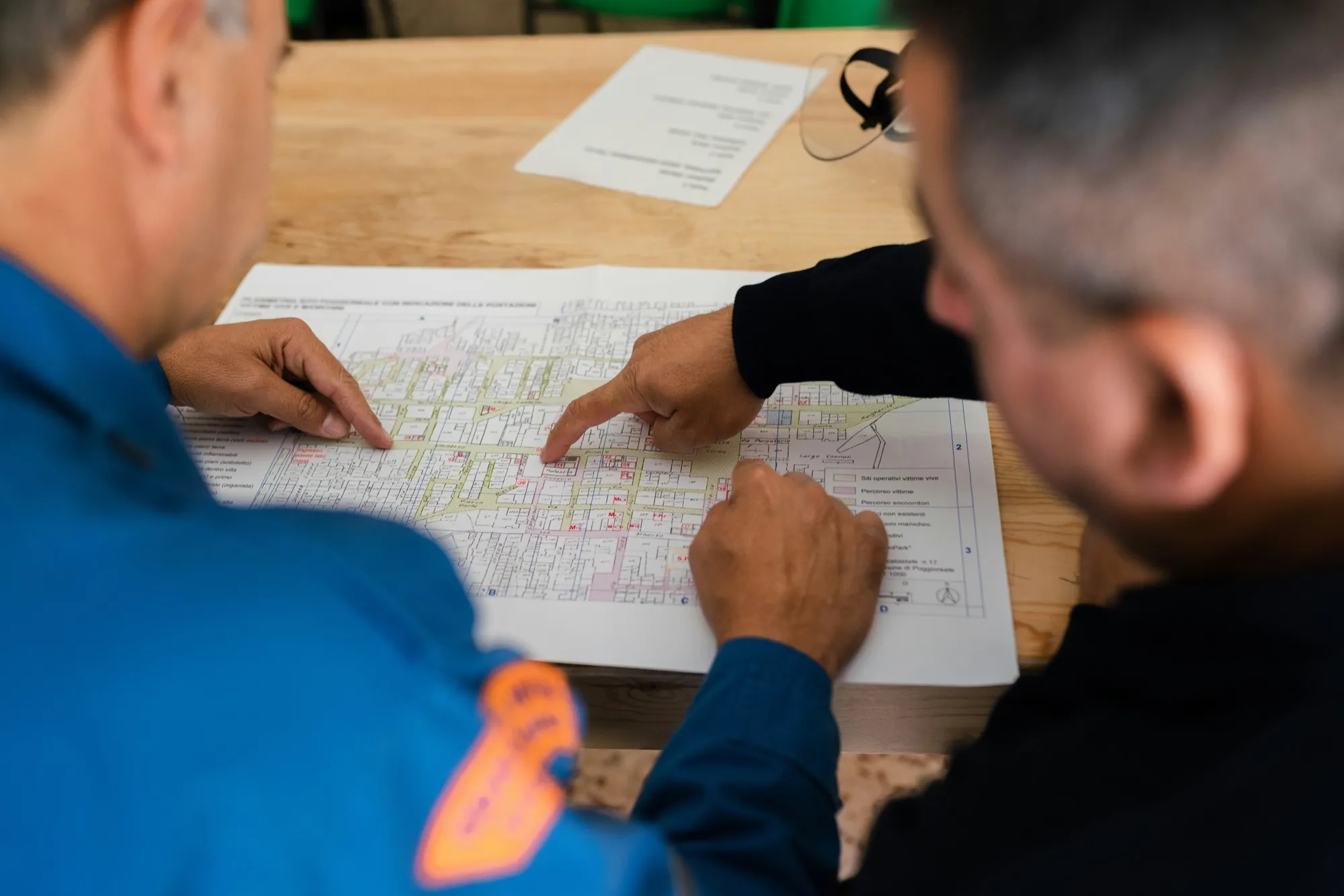
Photo by Olek Buzunov on Unsplash
Opening a second location is the natural next step for a business that works. The first site is busy, customers ask for more, and the model seems proven. But the first location’s success rests on things that do not automatically travel: the owner’s daily presence, a reputation built over years, and often a lease signed on better terms than any available today.
A second location is a new venture with a familiar name. It deserves the same feasibility questions as any new venture, answered before the lease is signed.
Why the first location is not proof
The Business Development Bank of Canada (BDC) describes the change plainly in its tips for expanding to a new location: managing more than one site requires disciplined management, and you cannot do it all yourself. What worked because the owner was always there has to work when the owner is somewhere else.
So the first question is not whether the business works. It is which parts of it work without you, and whether the new site has what the first one had.
Demand at the new site
Every location has its own customers. Describe the catchment for the new site: who lives or works there, how they travel, and what they buy now. List the competitors within that area and what they charge.
Then test the evidence. Do some current customers already come from that area? Have you sold there through delivery, events or online orders? A pop-up, a short-term lease or a partnership can show demand at low cost before you commit to a full fit-out.
Who runs the second location
BDC advises owners to identify the best people in their company and build a strong team for the second location. It also recommends standardizing processes, from marketing and sales plans to human resources practices and financial controls.
That has two consequences. The manager of the new site should be chosen and ready before opening, not hired in the last month. And the first location needs to be able to run without that person, and with less of the owner’s time, from the day the second one opens.
A second location is a new venture with a familiar name.
Cost and break-even
Build the budget for the new site from quotes: leasehold improvements, equipment, signage, opening inventory, hiring and training, permits, and the working capital to carry the site until it pays its way.
BDC cautions that it often takes longer than entrepreneurs expect to break even at a new operation, and that the existing business may suffer while staff adjust to new roles. Model the new site’s cash monthly, and model the whole business together, so you can see whether a slow opening would also squeeze the first location. BDC’s guidance on financial projections suggests a reserve of enough cash for 90 days of operations. Our note on a financial model a lender will believe covers how to build that forecast.
Leasing or buying the space
Most second locations are leased. BDC notes that new businesses are often unable to commit a lot of capital to a building, and that leasing usually makes more sense for a business that is still new. Owning can build wealth apart from the operating company, but it ties up capital that a young second site may need.
If you lease, read the terms closely. BDC stresses the importance of understanding what your landlord does and does not pay for before you commit. Check the term and renewal options, the additional rent for taxes and common costs, who pays for improvements, any exclusivity or use clauses, and whether you must give a personal guarantee. Have a lawyer review it before you sign.
Permits and licences
A new address means new approvals. The Province of British Columbia notes that most local governments require a business licence to operate, and that permit applications can take time to approve and may involve one or more inspections. It recommends starting as early as possible, and points businesses to BizPaL to find the permits they may need from all levels of government.
Zoning, signage, building permits for the fit-out, health permits for food businesses and occupancy approvals can each delay an opening. Contact the local government, or the First Nation if the site is on First Nation land, before you sign the lease.
Financing the expansion
Federal support exists for this kind of expansion. The Canada Small Business Financing Program helps businesses with gross annual revenues of $10 million or less obtain term loans of up to $1,000,000, of which no more than $500,000 may be for equipment and leasehold improvements. The loans are made by commercial lenders, which make the credit decision. They will want to see the same feasibility work described here.
Protect the first location
The first site pays the bills while the second one grows. Before opening, decide who covers your role there, which of its staff can move and which cannot, and what you will do if its sales dip during the opening months. Set a point, in months or dollars, at which you would scale back or close the new site rather than let it drain the business that funds it. Writing that limit down in advance makes a hard decision easier to take later.
A practical next step
Before you sign anything for a second site, write one page that answers each question above with evidence: the demand, the manager, the budget, the break-even month, the lease terms, the permits and the financing. Where an answer is a guess, find out. Where the numbers only work if everything goes right, change the plan or wait.
Our Growth & Ventures practice prepares feasibility studies and financial models for expansions, to the standard lenders and partners expect.
Sources
- “5 top tips for successfully expanding to a new location”, Business Development Bank of Canada. https://www.bdc.ca/en/articles-tools/business-strategy-planning/manage-growth/5-tips-expanding-new-location
- “6 steps to making financial projections for your new business”, Business Development Bank of Canada. https://www.bdc.ca/en/articles-tools/start-buy-business/start-business/6-steps-making-financial-projections-new-business
- “Buy or lease my commercial space?”, Business Development Bank of Canada. https://www.bdc.ca/en/articles-tools/money-finance/buy-lease-commercial-real-estate/buy-or-lease-my-commercial-space
- “Apply for permits and licences in B.C.”, Province of British Columbia. https://www2.gov.bc.ca/gov/content/employment-business/business/managing-a-business/starting-a-business/permits-licences
- “Helping small businesses get loans”, Canada Small Business Financing Program, Innovation, Science and Economic Development Canada. https://ised-isde.canada.ca/site/canada-small-business-financing-program/en/find-loan-your-small-business/helping-small-businesses-get-loans