A financial model a lender will believe
Lenders rarely reject a model because the arithmetic is wrong. They reject it because they cannot see where the numbers came from, or because the cash runs out in a month nobody checked.

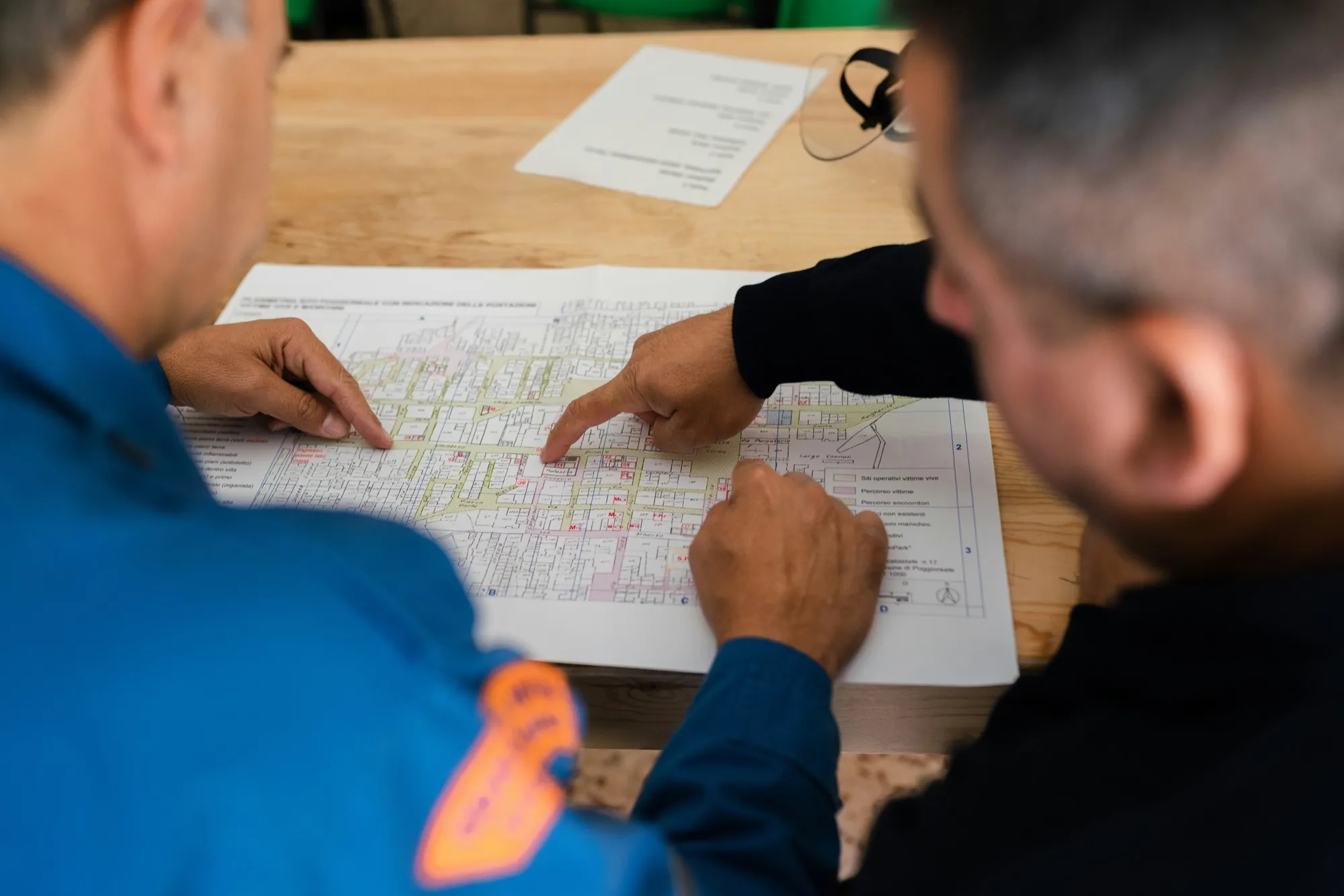
Photo by Alejandro Luengo on Unsplash
A financial model is an argument. It says that this business, run this way, will earn enough cash to repay what it borrows. A lender reads it the way a careful sceptic reads any argument: by testing the premises.
Most models that fail that test are not wrong in their arithmetic. They fail because the assumptions are hidden, the timing is annual when the risk is monthly, or the debt only works if every number lands exactly as hoped. Each of those can be fixed before the model reaches a lender.
What a lender looks for in a financial model
The Business Development Bank of Canada (BDC) sets out what banks ask for. They review financial statements to understand a company’s financial health, profitability and capacity to repay debt, and they typically require a monthly cash flow forecast for the rest of the current year and the following year. BDC also warns that overly optimistic figures undermine your credibility and can make future loans harder to obtain.
A government-backed loan does not change this. Under the Canada Small Business Financing Program, financial institutions are solely responsible for making the decision to approve a loan. The model still has to persuade a lender.
So a lender is looking for three things. Can the business repay? Are the numbers realistic? And can the lender see how you reached them?
Build from drivers, not totals
A model that says “Year 1 revenue: $1.2 million” invites one question: why? A model that builds revenue from customers, price and frequency answers it.
Break every large number into the few drivers that produce it. For a service business, that might be billable staff, hours per week, utilization and rate. For a shop, it might be foot traffic, conversion and average sale. For a contractor, it might be a pipeline of named bids with a realistic win rate.
Then put every driver on one assumptions page, with its source beside it. Market research, quotes from suppliers, a signed lease, comparable businesses, your own trading history. A lender who can trace a number to its source spends less time doubting it.
Monthly cash, not annual profit
Profit and cash are different things, and new ventures fail on cash. BDC’s guide to financial projections for a new business recommends a cash flow projection that shows monthly inflows and outflows for the first 12 months of operations, with quarterly or yearly projections for the second year.
Monthly timing exposes what annual totals hide. Customers who pay in 60 days, inventory bought before it sells, an annual insurance premium, a slow first quarter. The lowest point in the bank balance is usually the most important number in the model. BDC suggests setting aside a cash reserve with enough cash for 90 days of operations.
The lowest point in the bank balance is usually the most important number in the model.
Show that the debt can be serviced
A lender’s central question is whether cash flow will cover the loan payments, with room to spare. BDC defines the debt service coverage ratio as earnings before interest, taxes, depreciation and amortization (EBITDA) divided by principal and interest. It describes a ratio of 2 or higher as healthy and a ratio of around 1 as less healthy, and notes that what counts as healthy varies between lenders.
Show that ratio in every period of the model, not just on average. A business can look comfortable over a year and still miss payments in its weakest months.
Expect covenants too. BDC explains that a covenant is a promise that a borrower makes to a lender as part of a loan agreement. Common financial covenants set a minimum debt service coverage ratio, a maximum debt-to-equity ratio and a minimum working capital ratio. In a serious or uncorrected breach, the lender can call in the loan. If your model shows a covenant you would likely breach in month 14, find out now.
Test the plan before the lender does
BDC recommends preparing most likely, optimistic and pessimistic scenarios for each projection. The pessimistic case matters most. Slow the sales ramp by three months, raise the main costs by 10%, and see what happens to the cash low point and the coverage ratio.
Then find the breaking point. How far can sales fall before the business cannot pay its debt? How many months of delay can the cash reserve absorb? A model that states its own limits reads as honest. A model that only works when everything goes right reads as a sales document.
If the plan includes grants or other public funding, model them on the dates you expect the money to arrive, not the dates you apply. Our note on grant stacking explains why the amounts can also change.
Make it easy to check
Lenders and their credit teams read many models. Help them.
Keep inputs separate from calculations. All assumptions in one place, no numbers typed into formulas.
Link the three statements. The income statement, balance sheet and cash flow should reconcile in every period. If the balance sheet does not balance, nothing else will be trusted.
Label the version. Date it, and keep a short note of what changed since the last one.
Write a one-page summary. The loan amount, its use, the repayment schedule, the coverage ratio in the base and pessimistic cases, and the three assumptions the plan depends on most.
A practical next step
Before you send a model to a lender, give it to someone who did not build it. Ask them to find the source of every assumption and the month with the lowest cash balance. Where they struggle, a lender will too.
Our Growth & Ventures practice builds and reviews financial models for new ventures and expansions, to the standard lenders, funders and boards expect.
Sources
- “How to get a business loan in Canada”, Business Development Bank of Canada. https://www.bdc.ca/en/articles-tools/money-finance/get-financing/how-to-get-business-loan-canada
- “6 steps to making financial projections for your new business”, Business Development Bank of Canada. https://www.bdc.ca/en/articles-tools/start-buy-business/start-business/6-steps-making-financial-projections-new-business
- “What is the debt service coverage ratio (DSCR)?”, Business Development Bank of Canada. https://www.bdc.ca/en/articles-tools/entrepreneur-toolkit/templates-business-guides/glossary/debt-service-coverage-ratio
- “What are loan covenants?”, Business Development Bank of Canada. https://www.bdc.ca/en/articles-tools/entrepreneur-toolkit/templates-business-guides/glossary/covenants
- “Frequently asked questions: For small businesses”, Canada Small Business Financing Program, Innovation, Science and Economic Development Canada. https://ised-isde.canada.ca/site/canada-small-business-financing-program/en/small-businesses/frequently-asked-questions-small-businesses